
What Is Family & Child Advocacy?
How We Can Help
Age of Consent For Treatment
What Is Family & Child Advocacy?
Are you navigating the complexities of the mental health system? Our dedicated Family & Child Advocate is here to provide the guidance and support you need.
Our focus is empowering and supporting families and encouraging self care.
We can help you navigate the mental health system. We will listen, answer questions, explain your rights, and partner with your family to assist you in finding the appropriate supports and services. We will empower you to be your own best advocate!
There is no cost for our child and family advocacy services and representation.
If you are looking for advocacy services and peer education for someone 18 years and older, please visit our adult advocacy page.
How We Can Help
How We Can Help
1. Navigation and Resource Assistance
Navigate the mental health system with confidence
Find the appropriate resources tailored to your unique needs
2. Empathetic Listening
Have your questions answered with an empathetic and non-judgemental ear
3. Understanding Your Rights
Learn about your rights and empower yourself to be your own best advocate
4. School-Based Advocacy
Assistance with IEP and 504 suppor, including meeting attendance
Act as a liason between families and school districts for collaborative solutions
5. Additional Support
Help in finding appropriate mental health services to meet your needs
Answers to questions about mental health concerns
What We DON’T Do
Offer professional or medical advice (we are NOT therapists, counselors, social workers, case workers, psychiatrists, or medical professionals).
Make decisions for you.
Break confidentiality (unless there is a danger to you or others).
Provide treatment.
Age of Consent For Treatment
Act 65 – “Gabby’s Law”
Know The Law. Protect Your Child. Stay Empowered.
This law has been misinterpreted for years. We want to make sure that families and providers understand this updated law clarifying the age of consent law.
In 2020, PA’s mental health law Act 147 was replaced by Act 65 to clear up any misunderstanding of the interpretation and intentions of the law. Act 65 2020 “Gabby’s Law” reaffirms that a child 14 and up can consent to their own mental health treatment without parental consent.
In addition, it clarifies that the parent/legal guardian can consent to a mental health treatment for a child between 14 – 17, even if the child objects. This leaves the decision in the hands of the doctors and guardians. If the parent is present and willing to consent to treatment, there should NOT be a need to 302 a child.
Who Can Consent?
Minors Ages 14 to Under 18
Can consent to voluntary inpatient or outpatient mental health treatment for themselves without consent from their parent or legal guardian.
Outpatient: a minor can consent to outpatient treatment without a physician recommendation
Inpatient: a minor can consent to inpatient treatment after the facility explains the treatments and the minor’s rights.
Parents/Legal Guardians of Minors Under 18
Can consent to voluntary inpatient or outpatient mental health treatment of their minor, without the minor’s consent
Outpatient: a parent or legal guardian can consent to outpatient treatment of their minor without a physician recommendations
Inpatient: a parent or legal guardian can consent to inpatient treatment of their minor with the recommendation of a qualfied metnal health professional who has examined the minor.
Neither can revoke or override the other’s consent.
A parent or legal guardian cannot revoke or override consent given by a minor.
A minor cannot revoke or override consent given by a parent/guardian.
Another parent with legal custody rights may object to inpatient treatment by filing a petition with the court.
How Can A Parent Or Legal Guardian Or Minor Object To Inpatient Treatment?
Parent/Legal Guardian Objection
Parents and/or legal guardians may file a petition with the court of common pleas in the county where the child resides.
The court must schedule a hearing promptly. In many situations, hearings occur within 72 hours.
Minor Objection
Minors may request a form from the inpatient facility to ask for the court to have a hearing.
The court must appoint an attorney for the minor and schedule a hearing within 72 hours.
Back-to-School Transition Resources
Click here for the Transitioning Back-to-School From Inpatient Care Form: Please complete this form and return to Shelby Witmer at switmer@mhalancaster.org
Click here for “Planning for Successful Transition Back to School” From Inpatient Care handout: Here is a helpful resource for any parent or guardian who is looking to utilize our Family & Child Advocacy services, including common FAQs.
Advocacy At Your School
We can act as your educational advocate for the special education system by supporting you through the IEP/504 process. We can educate and empower you to advocate for your child and help facilitate conversations with the school to support your child. This can include reviewing plans, advising next steps, and attending meetings with you. You are your child’s biggest advocate, and I can give you the confidence you need to do it.
See what parents are saying about the process:
“I have more knowledge regarding the process. I now know what questions to ask and what evaluations to request.”
“Yes! She gave me the tools and information I needed to feel more confident during my meeting.”

Call our office at 717-397-7461 or email us at mha@mhalancaster.org to start the conversation for your child and the health of your entire family.
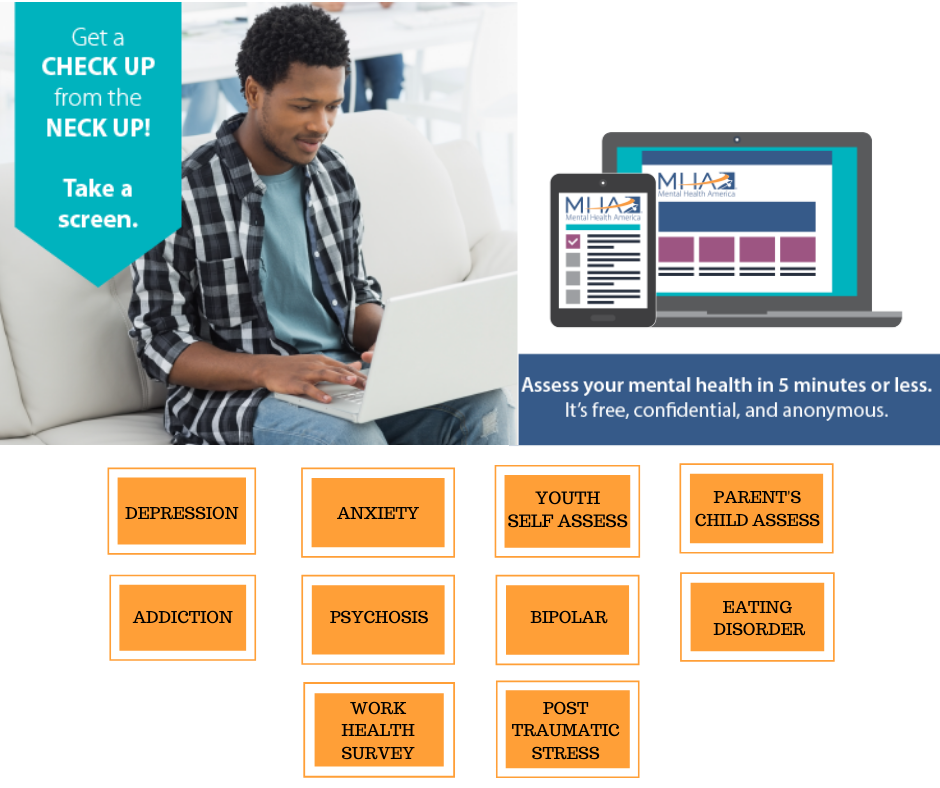
Take A Confidential Screening
If you don’t know where to turn, and you would like to talk to someone about planning how to get help, then an MHA Advocate can help.